
The Real Cost of a Missed Call for a Trades Shop
Every call that hits voicemail is a customer dialing the next plumber. The real math on missed calls, and the cheapest ways to stop the bleed.
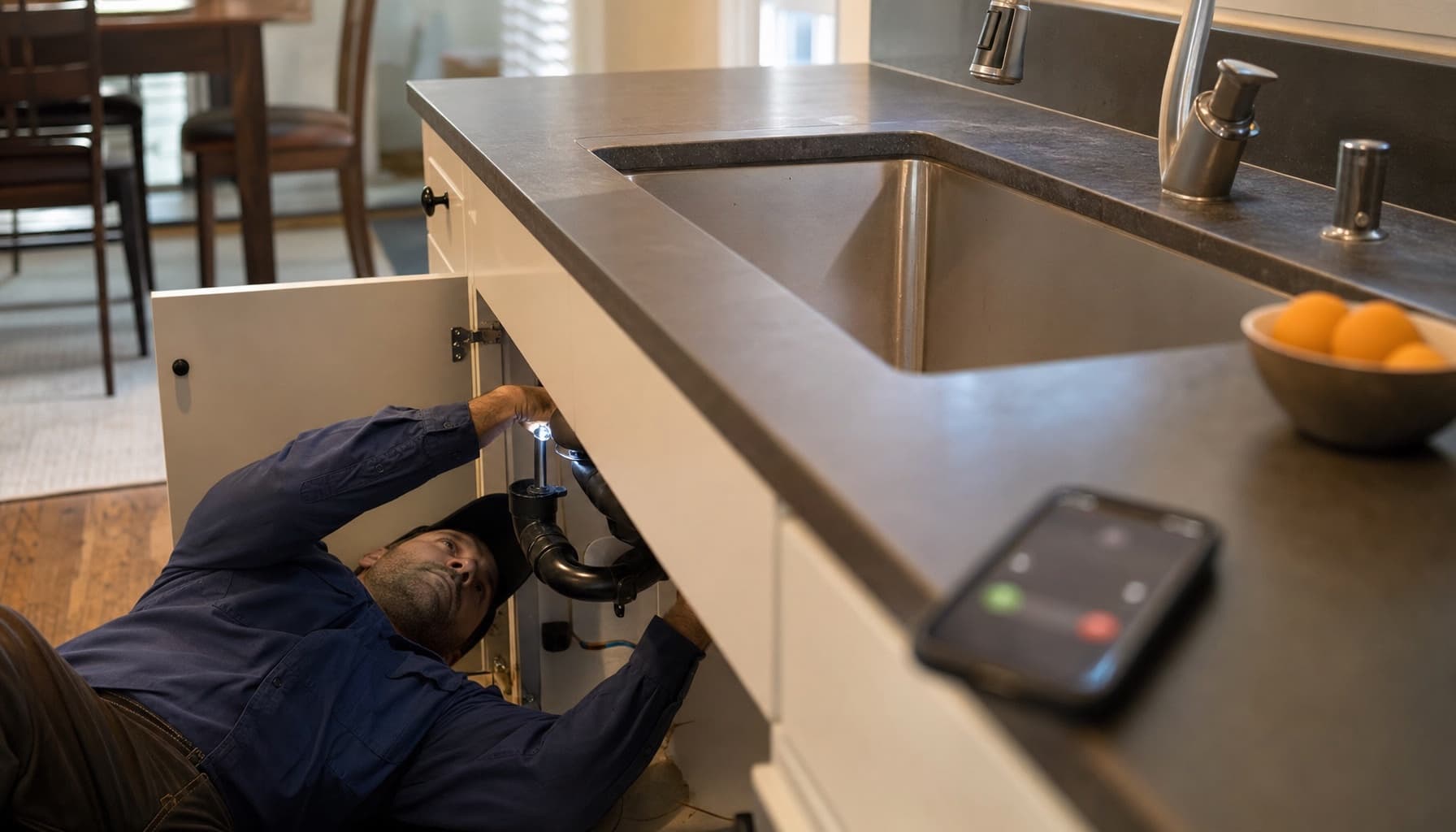
Every small shop knows the feeling. The phone rings while the tech is flat on his back under a sink or twenty feet up on a roof. Nobody can grab it. It rolls to voicemail, and by the time anyone checks, that caller already booked the next plumber in the search results. The job is gone, and you never even knew it existed.
Missed calls are the quietest way a trades shop loses money. There is no angry review, no canceled invoice, just silence. Let us put real numbers on that silence.
What a missed call actually costs
A single missed call is not worth the price of one job. It is worth the price of one job plus everything that customer would have spent with you for years afterward. That is the part most owners forget when they shrug off voicemail.
Here is the simple chain. Take how many calls you miss in a week. Multiply by the share you would have actually booked. Multiply by your average ticket. Then layer in lifetime value, because a happy first-time customer calls you again and tells the neighbor.
Illustrative math: 15 missed calls a week, 35 percent would have booked, $400 average ticket. That is roughly 5 booked jobs lost per week, about $2,100 in first-visit revenue. Over a year that is north of $100,000 in tickets you never invoiced. Add repeat work and referrals and the real number climbs higher.
Your numbers will differ. A roofer with a $9,000 average ticket misses far less volume but bleeds more per call. A plumbing shop running $250 service calls misses more often but at lower stakes. Plug in your own figures and the point holds either way. The leak is bigger than it feels.
Why trades shops miss so many calls
It is not laziness. It is the nature of the work. The people best equipped to answer the phone are the same people doing the billable work.
- The tech is in a crawlspace or on a ladder and cannot answer.
- The owner is on a quote across town and lets it ring.
- Calls cluster in the morning and after the first cold snap, so two come in at once and one loses.
- Nights, weekends, and lunch are dead zones, and that is exactly when a burst pipe calls.
- The office manager, if there is one, is already on another line.
Roughly a third of calls to small service businesses go unanswered during busy stretches. For a shop running one to eight trucks, that adds up fast, and almost none of it shows up in your books because the revenue never existed.
What callers actually do at the beep
This is the part that stings. When someone hits your voicemail with water spreading across the kitchen floor, they do not leave a message and wait. Most people hang up and dial the next name on the list.
Studies of inbound service calls put it bluntly. The majority of callers who reach voicemail never call back and never leave a message. They are not loyal yet. You are a search result, and the next search result answers on the second ring. The caller who needed you most is the one least willing to wait.
So the question is not whether you can call them back later. It is whether you can keep them from dialing the competitor in the first ninety seconds.
Your options to stop the bleed
There is no single right fix. The right fix depends on your call volume, your budget, and how much you want a human in the loop. Here are the realistic ones.
Missed-call text-back
The cheapest first move. When a call goes unanswered, an automatic text fires back within seconds: "Sorry we missed you, this is FieldCommerce, what do you need?" It will not book the job by itself, but it catches the caller before they move on and opens a thread you can close. Low cost, surprisingly effective on its own.
Online booking
A real booking link on your site and in that text-back lets the customer grab a slot without talking to anyone. Great for non-emergencies and for the growing number of customers who would rather tap than talk. It does nothing for the panicked caller who needs a human voice right now.
Shared inbox
Pull calls, texts, web forms, and voicemails into one place the whole crew can see. Nothing falls through the cracks because three different people are watching three different channels. This is more about not losing the leads you already caught than about catching new ones.
Human answering service
A live person answers under your shop name. Customers like talking to a human, and a good service can dispatch true emergencies. The trade-offs are real: per-call or per-minute pricing that adds up, agents who do not know your trade or your schedule, and a script that can feel generic. It buys coverage, not expertise.
AI receptionist that books the job
The newer option. A voice agent answers every call on the first ring, day or night, talks like a person, pulls up your actual availability, and books the job straight into your schedule. No hold music, no callback, no missed slot. It does not call in sick or quit, and it handles two calls at once during the morning rush. The trade-off is trust. You want one that knows your service area, your pricing rules, and when to hand a genuine emergency to a human.
How to choose without overpaying
The honest answer is that most one-to-eight-truck shops do not need all five. Start with the cheap, high-leverage move and layer up only if the math says so.
- Very low volume: missed-call text-back plus a booking link covers most of the gap for almost nothing.
- Steady volume with after-hours calls: add an AI receptionist so nights and weekends stop leaking.
- High volume or high-ticket emergencies: combine automation for the routine with a human path for the genuine 2 a.m. crisis.
This is exactly the gap we built FieldCommerce to sit in. Jobber and Housecall Pro are fine when you are starting out, and you can run a couple of trucks on them for a while. ServiceTitan can do all of this and more, but you pay enterprise prices and sit through enterprise onboarding for features a four-truck shop will never touch. We think a shop your size deserves the call-capture and booking tools without the bloat or the contract. If you run a plumbing shop, our FieldCommerce for plumbing breakdown gets specific about emergency calls and dispatch.
The math is the argument
Run your own numbers before you decide anything. Count the missed calls for one week. Be honest about your booking rate and your average ticket. Multiply it out, then look at what each fix above would cost against that figure. For most shops the cheapest automation pays for itself inside the first month, because one saved emergency call covers it.
The phone is still your front door. Every ring that hits voicemail is a customer standing on the porch, knocking, then walking next door. You do not have to answer every call yourself anymore, but in 2026 something should. When you are ready to see what fits your shop, see pricing or get in touch and we will walk through the numbers with you.